
Insights
Gun Appraisal Guides & Insights
Expert guidance on gun valuation: what drives value, when you need a USPAP-compliant appraisal, and how the process works.
Gun appraisal articles on firearm values, estates, and insurance
Guides on what drives a gun's value, how appraisals are prepared in accordance with USPAP, and what estates, insurers, and donors need.

How to Determine Your Tax Basis in Inherited or Gifted Firearms
Inherited firearms generally receive a stepped-up basis equal to fair market value on the date of death, while gifted firearms carry over the donor's basis under a double-basis rule when value has dropped. This guide walks through both rules with worked dollar examples so heirs and recipients know what they owe when they eventually sell.
Read more →
What Dollar Threshold Triggers an IRS Qualified Appraisal for Firearms Collections?
The IRS requires a qualified appraisal for a firearms donation once the claimed deduction passes $5,000, but estate tax filings apply a lower $3,000 line and gift tax works on a different standard entirely. This guide breaks down the Form 8283, Form 706, and Form 709 thresholds so firearms owners know exactly when a qualified appraiser becomes a legal requirement.
Read more →
Is the Blue Book of Gun Values Still Accurate for Today's Firearm Market?
The Blue Book of Gun Values gives collectors a useful price benchmark, but whether it is accurate for a specific firearm today depends on how it gathers data and how finely it grades condition. This guide explains what the book measures, where it falls short, and when a professional firearm appraisal fills the gap.
Read more →
How NFA Firearm Transfers From an Estate to Heirs Actually Work
When a suppressor, short-barreled rifle, or machine gun sits in an estate, federal rules let the executor hold it through probate without triggering a taxable transfer, but heirs still need the right ATF paperwork before the item can change hands. This guide walks through the estate transfer rule, the Form 5 filing, required documentation, and why a documented date-of-death value matters for both ATF and IRS purposes.
Read more →
How to Report Firearms Valuation on IRS Form 706 for Estate Tax
Firearms valuation on Form 706 hinges on a $3,000 threshold that most executors miss until it's too late. This guide walks through fair market value at the date of death, when a written appraisal becomes mandatory, and how the alternate valuation election can change what the estate owes.
Read more →
How to Find a Trustworthy Gun Appraiser and Spot a Lowball Estimate
An independent, USPAP-compliant firearms appraiser discloses any interest in your collection before valuing it; a gun shop's free quote is a buy offer, not a fair market value opinion. Here's how to tell the difference and vet a prospective appraiser before you hand over a collection.
Read more →
Gun Auction Sold Prices vs Asking Price: Reading Firearm Value Data Right
Asking prices on gun listings are aspirational and skewed upward by inventory that never sells. This guide shows how to read GunBroker completed listings and auction house realized prices so your fair market value opinion rests on actual sold prices, not wishful ones.
Read more →
What Is a Gun Trust? NFA Ownership, Estate Planning, and Appraisal Basics
A gun trust lets multiple people lawfully possess suppressors, short-barreled rifles, and other NFA items, and it structures how those firearms pass to heirs. Here's how gun trusts work alongside ATF Rule 41F, and why a current, itemized firearms appraisal belongs in every trust you fund.
Read more →
Donating a Gun Collection for a Tax Deduction? Here's How the IRS Appraisal Works
Donating a gun collection can produce a real tax deduction, but the IRS requires a qualified appraisal once the collection's value crosses $5,000. Here's how fair market value, Form 8283, and the aggregation rule for firearms actually work.
Read more →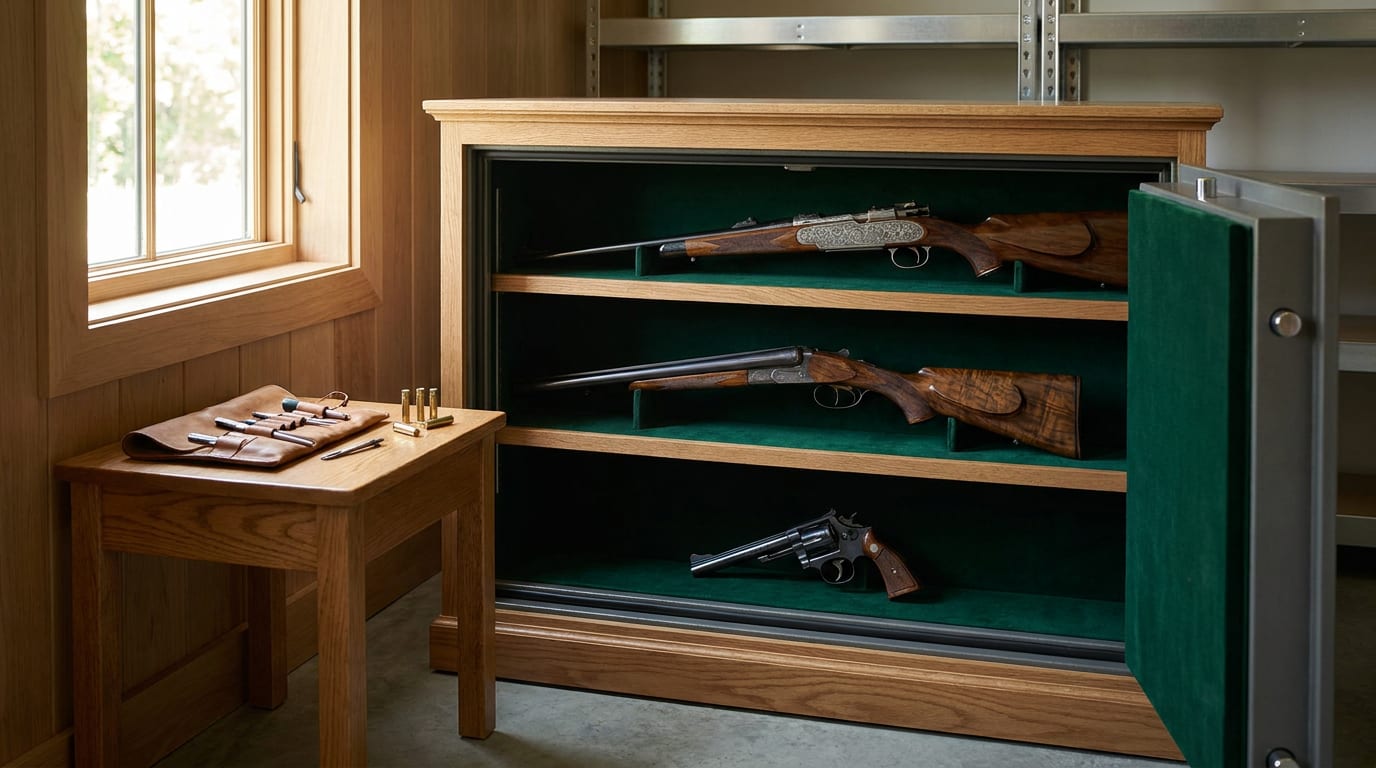
Replacement Value vs Fair Market Value for Firearms: What Your Insurance Appraisal Must State
Replacement value and fair market value are not interchangeable numbers on a firearm appraisal, and using the wrong one can leave a collector underinsured after a loss. This guide explains both standards, how policies apply them, and why the appraisal must say which one it used.
Read more →
How to Inventory and Appraise an Inherited Gun Collection Step by Step
Appraising an inherited gun collection means separating NFA-regulated firearms from ordinary ones, building a serialized inventory, and getting a USPAP-compliant fair market value appraisal before any distribution or sale. This guide walks executors and heirs through each step, including which ATF forms apply and what a qualified appraiser documents for every firearm.
Read more →