
ESTATE TAX
Firearms Appraisal for Estate Tax
Firearms appraisal services for estate tax covering date-of-death fair market value, IRS Form 706 filings, and equitable distribution among heirs, prepared in accordance with USPAP. Firearms Appraisers documents handguns, rifles, shotguns, and collector-grade firearms for estates nationwide.
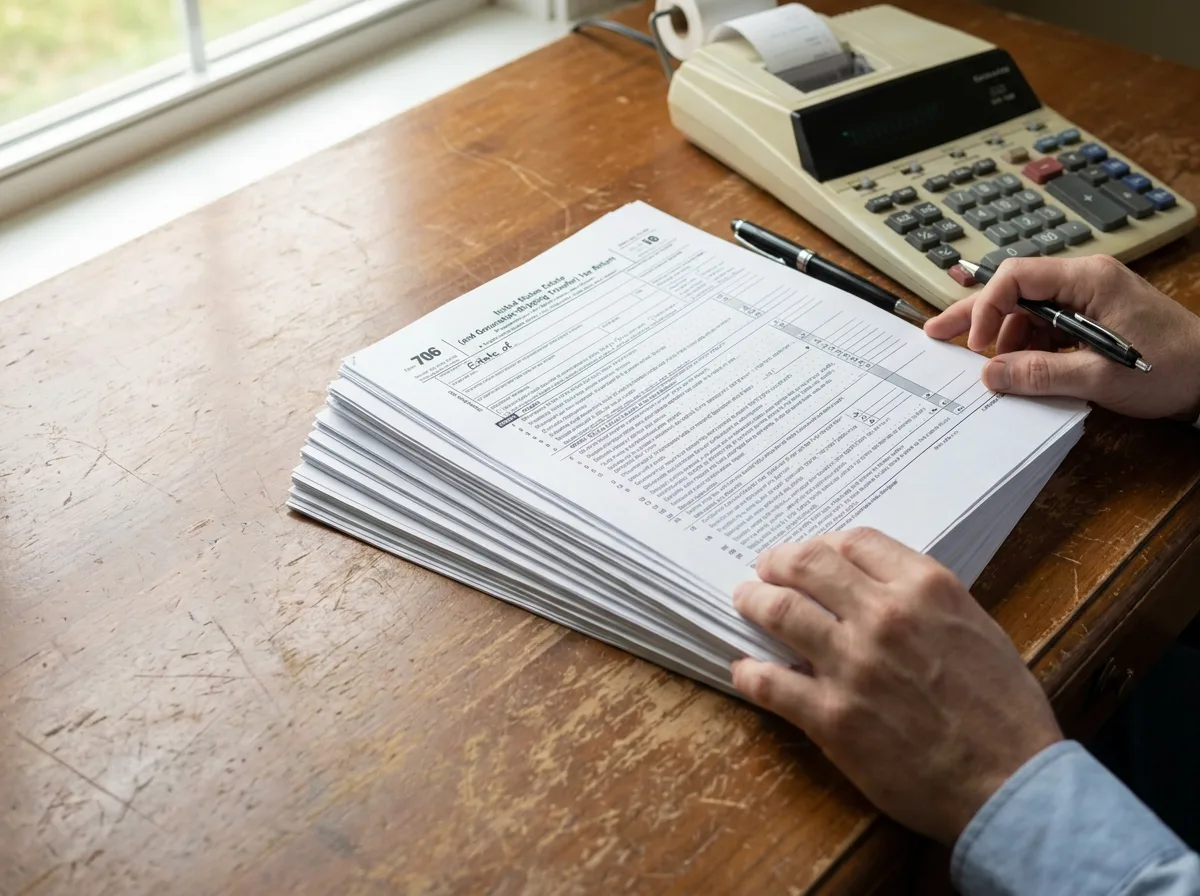
- Date-of-death fair market value for Form 706
- Reports prepared to meet IRS estate tax requirements
- Collector-grade expertise for rare and antique firearms
WHY IT MATTERS
A Firearms Appraisal Establishes Defensible Value for Estate and Gift Tax Reporting
When firearms pass through an estate, the executor must report their fair market value as of the date of the owner's death. Firearms Appraisers prepares independent, USPAP-compliant valuations that give estates the documentation needed for IRS Form 706, probate inventories, and trust administration.
Collector, antique, and modern firearms can carry values that vary widely by make, model, condition, provenance, and rarity. We research market comparables and document each item so the reported value withstands scrutiny from the IRS, the probate court, and the beneficiaries. Where an estate elects the alternate valuation date, we prepare the valuation to reflect the correct measurement date.
Our reports are prepared to meet IRS estate tax requirements, so executors, attorneys, and CPAs can file with a professional foundation behind every figure.
WHAT WE COVER
Firearms Appraisers Delivers Estate Tax Valuations for Form 706, Probate, and Trust Administration
Our appraisers prepare USPAP-compliant firearms valuations for every stage of estate and gift tax reporting, from the initial probate inventory through final settlement among heirs.
Date-of-Death Fair Market Value
We establish the fair market value of each firearm as of the decedent's date of death, the standard basis required for federal estate tax reporting.
IRS Form 706 Documentation
Detailed, itemized valuations prepared to meet the requirements for the federal estate tax return, with comparable market evidence supporting each figure.
Alternate Valuation Date
When an estate elects the alternate valuation date, we prepare the appraisal to reflect firearm values six months after the date of death.
Probate & Trust Administration
Valuations that satisfy probate court inventory requirements and support fiduciaries administering firearms held in trust.
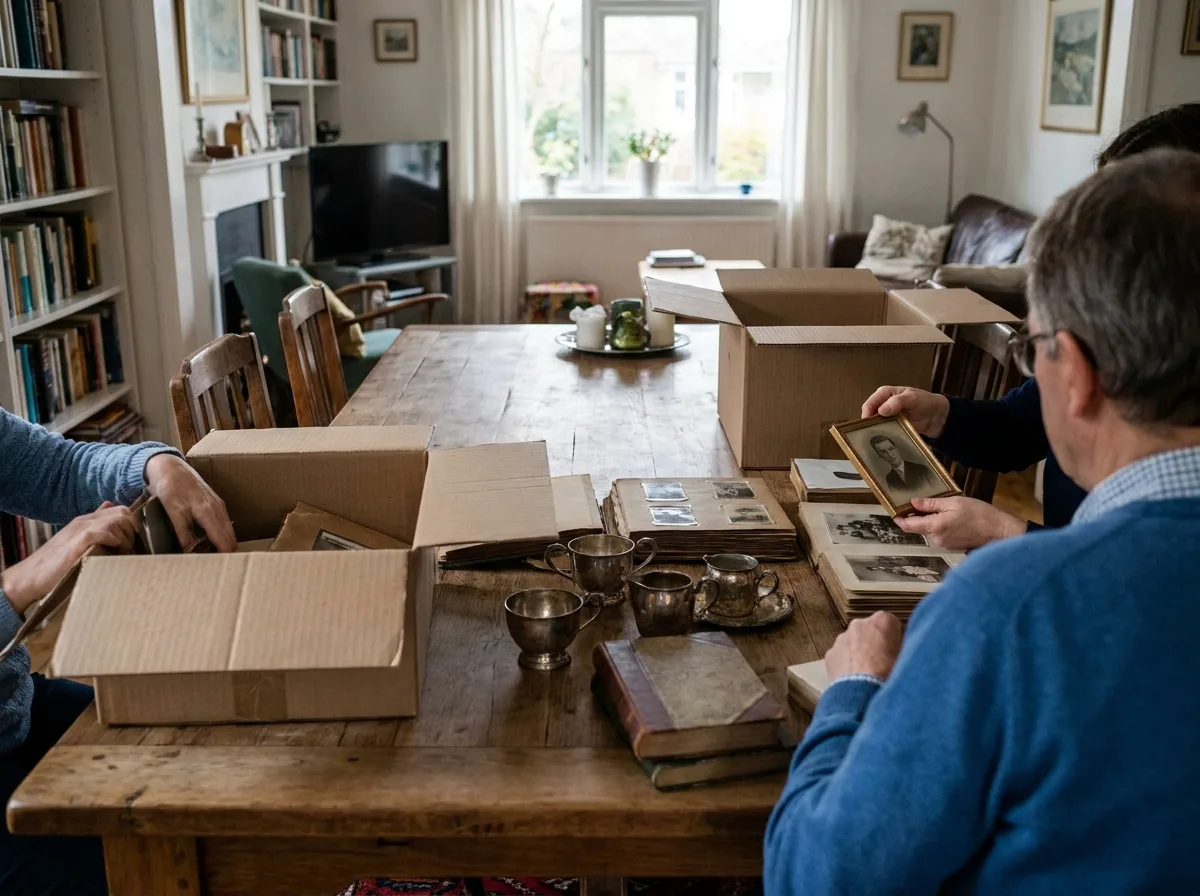
Estate Settlement & Equitable Distribution
Clear, defensible values that help executors divide firearms fairly among heirs and document the basis for that distribution.
Stepped-Up Basis Documentation
Date-of-death values that establish the beneficiary's stepped-up cost basis for firearms retained or later sold.


HOW IT WORKS
How We Appraise Firearms for an Estate
- 01
Submit the Estate Inventory
Share your list of firearms with photographs and any documentation you have, such as serial numbers, provenance, or prior appraisals.
- 02
We Research and Value Each Firearm
Our appraisers analyze make, model, condition, rarity, and market comparables to establish date-of-death fair market value for every item.
- 03
You Receive a USPAP-Compliant Report
We deliver an itemized, signed report prepared to meet IRS estate tax requirements and suitable for Form 706, probate, and beneficiary records.
CREDENTIALS
Estate Firearms Valuations Prepared to Professional Appraisal Standards
Our appraisers hold credentials with leading organizations, and every estate tax report is prepared in accordance with USPAP.
USPAP-compliant methodology
ASA-credentialed appraisers
ISA-credentialed appraisers
CAGA-credentialed appraisers
FAQ
Estate Tax Firearms Appraisal Questions
How is the fair market value of firearms determined for estate tax?
Fair market value is the price a firearm would change hands for between a willing buyer and seller as of the date of the owner's death. We establish it by analyzing the make, model, condition, rarity, and provenance of each firearm against recent market comparables, then document that evidence in the report.
Do firearms need to be appraised for a federal estate tax return (Form 706)?
When an estate is required to file Form 706, its assets, including firearms, must be reported at fair market value as of the date of death. An independent, USPAP-compliant appraisal provides the itemized documentation the return requires and gives the executor a defensible basis for each reported value.
What is the difference between the date-of-death value and the alternate valuation date?
The default basis for estate tax is the fair market value on the date the owner passed away. An estate may instead elect the alternate valuation date, which measures value six months later. We can prepare the appraisal for either measurement date depending on how the estate elects to file.
Can you appraise a firearms collection after the owner has passed away?
Yes. We regularly value firearms for estates, working from photographs, serial numbers, and any records the family or executor provides. For rare, high-value, or complex collections, we may recommend an in-person inspection to ensure complete accuracy.
How long does an estate firearms appraisal take?
Single firearms and small lots are typically completed in 7 to 10 business days, often within a week. Larger estate collections generally take three to four weeks. Expedited service is available, and we confirm timing up front once we understand the size of the estate and your filing deadline.
Get a Certified Firearms Appraisal for Your Estate
Tell us about the firearms in the estate and your filing deadline. We will prepare a USPAP-compliant, date-of-death valuation ready for Form 706, probate, and the beneficiaries.